Old Sweat Stains on Clothes: Can Dry Cleaning Really Remove Them?
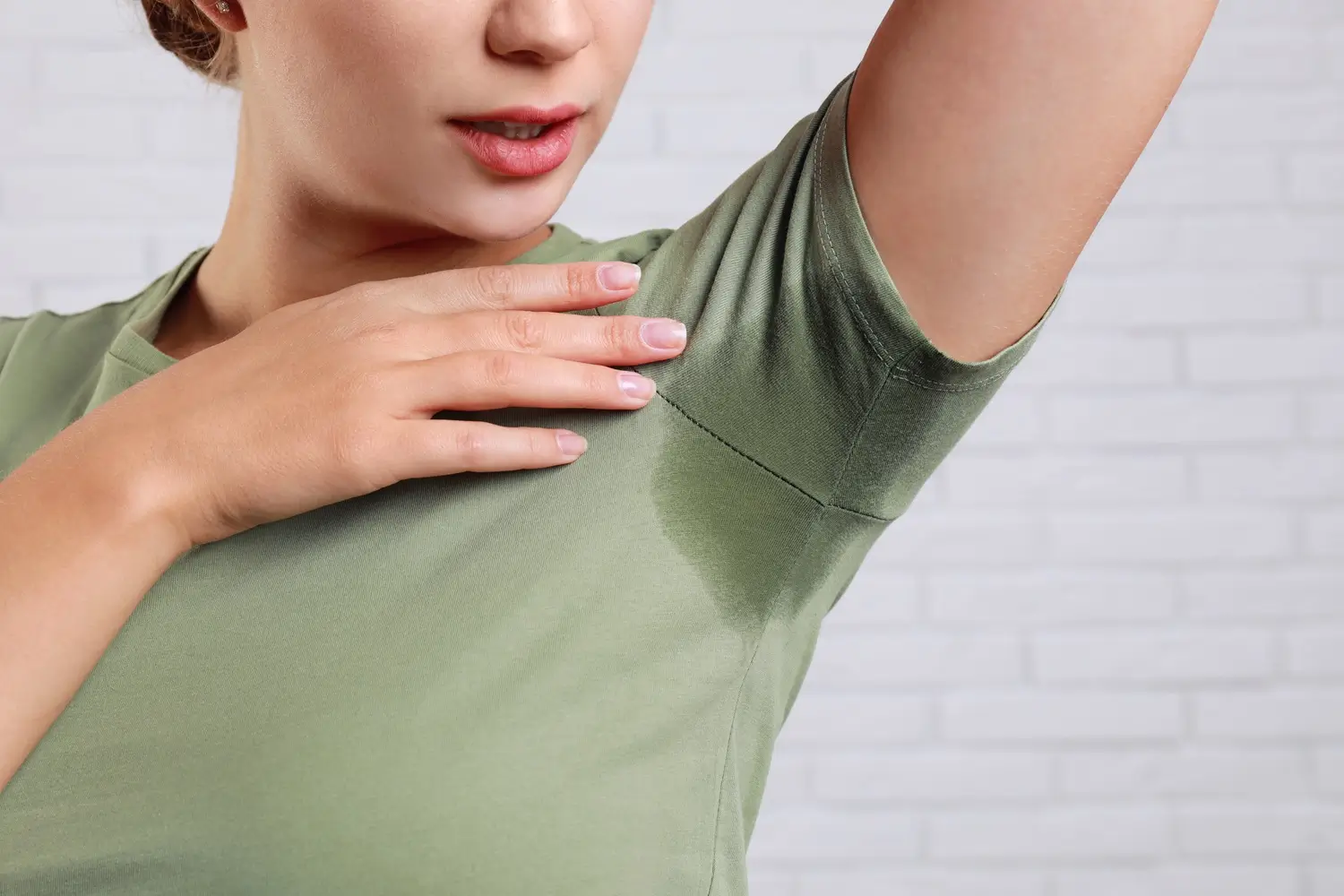
Scrubbing harder doesn't fix an old sweat stain, and neither does a hotter wash. That's because the yellowing under a shirt's arms isn't dirt sitting on the surface. It's a chemical reaction between antiperspirant and sweat that's already bonded to the fabric, which is exactly why effort alone was never going to solve it.
What actually breaks that bond, and whether it's too late for your shirt, is what follows.
What a Yellow Underarm Stain Actually Is (It's Not Just Sweat)
Sweat alone rarely explains the yellow-brown ring under a shirt. Fresh perspiration contains mostly water and salts, plus small amounts of protein. Discoloration develops when that residue combines with antiperspirant, body oils, heat, and air.
Three contributors build the stain:
- Sweat residue: proteins and salts remain when washing does not remove them completely.
- Antiperspirant: aluminum salts and waxy ingredients transfer from your skin to the fabric.
- Body oils: oils hold the mixture against the fibers and attract more soil.
The buildup may remain invisible at first. Repeated wear, incomplete rinsing, ironing, dryer heat, and storage can deepen the color. That is why a white shirt may emerge from the closet with yellow underarms.
The Chemistry Between Antiperspirant Aluminum, Sweat Proteins, and Fabric Fibers
Aluminum-based antiperspirants reduce moisture by forming plugs near sweat ducts. Product transfers onto your shirt, where it mixes with perspiration and oil.
Over time, this buildup can:
- Bind tightly to fibers.
- Trap soil during later wears.
- Oxidize into a darker yellow or brown tone.
- Become harder to remove after repeated heating.
The stain is layered, not dirty. Your cleaner must separate several residues without stripping dye, weakening fibers, or changing the finish.
Older marks are harder to treat, but age does not make them permanent. Results depend on the fabric, previous treatments, heat exposure, and if the buildup has altered the fiber or color.
Why Regular Laundering Doesn't Touch It
Standard laundry detergent lifts dirt, oil, and loose soil. It doesn't break an aluminum-protein bond, and it was never formulated to do so. Run a shirt through the wash a dozen times and the stain barely fades, because detergent simply isn't built to dissolve what holds that residue in place.
Hot water makes it worse, not better. Heat sets protein stains the same way it sets an egg white. If you've ever noticed a stain look more permanent after a hot wash instead of less, this is why.
Why Chlorine Bleach Is the Single Worst Thing You Can Do to a Sweat Stain
Chlorine bleach seems logical for a yellow mark on white fabric. However, underarm discoloration contains antiperspirant, body oils, protein, and oxidized soil, not color alone. Bleach can deepen yellowing and weaken nearby fibers.
Possible results include:
- A darker yellow or brown stain.
- A dull cast across white fabric.
- Thinner cotton or weakened stitching.
- Permanent damage to wool, silk, spandex, and some blends.
If you already applied bleach, stop before adding anything else. Never mix it with vinegar, ammonia, alcohol, or another cleaner; some combinations release dangerous gases. Tell your cleaner which product you used and when.
What Bleach Chemistry Does to the Yellow Residue Already in the Fabric
Chlorine bleach works through oxidation. It may break apart some colored compounds, but aged underarm deposits can respond differently. Bleach may alter the residue, reveal fiber yellowing, or create more discoloration.
The outcome depends on:
- Fiber and dye composition.
- Bleach strength and contact time.
- Previous dryer or iron heat.
- Age of the buildup.
- Earlier stain treatments.
Bleach damage may not reverse fully, but a darker mark does not automatically mean the garment is lost. A professional can determine if enzyme, reducing, or fabric-specific spotting treatments remain appropriate. Take the garment for professional treatment before trying another product; each added chemical makes future treatment far less predictable.
What Professional Dry Cleaning Does Differently
A professional dry cleaner does more than run your shirt through a larger machine. They identify the stain, assess the fabric, and target the chemistry behind yellow-brown underarm marks.
Here is what makes the process different:
- Enzyme-based pretreatment: enzymes help break the bond between antiperspirant aluminum and sweat proteins. This targets the buildup instead of simply washing it.
- Solvent-based cleaning: professional solvents lift body oils and product residue without the high heat that can further set protein stains.
- Focused hand treatment: a technician works directly on the discolored area, controls the contact time, and adjusts the treatment as the stain responds.
- Careful inspection: before cleaning, the technician checks for fabric weakness, color loss, or signs of a previous bleach reaction. Those findings shape the safest approach.
This combination can make meaningful progress on stains that have survived repeated home washes. It also gives your garment a better chance than another round of detergent or a stain stick, which may not stay concentrated on the affected fibers long enough.
Still, professional treatment is not a guarantee. If bleach has altered the dye or old residue has weakened the fabric, complete removal may no longer be possible. An experienced cleaner will explain what looks recoverable before proceeding and aim for the best improvement the garment can safely handle.
How Fabric Type Changes the Odds
Fabric type can improve, or limit, the chance of removing old underarm discoloration. Before treatment, a professional cleaner checks the fiber content, dye stability, stain age, and damage.
Three factors matter most:
- Fiber composition: cotton, silk, wool, and synthetics absorb sweat and antiperspirant residue differently.
- Color stability: white fabrics allow more treatment options, while dyed or printed pieces may need a gentler approach.
- Existing damage: bleach, heat, and long storage can weaken fibers or permanently change their color. Cleaning can remove residue, but it cannot restore faded dye.
Silk, Wool, Cotton, and Synthetic Blends: Different Chemistry, Different Outcomes
- Silk: good for recent staining. Older discoloration can improve significantly, but full removal isn't guaranteed.
- Wool: similar to silk. Protein fibers respond well to enzyme treatment if bleach hasn't already set the stain.
- Cotton: recent stains often fully recoverable. Long-set stains improve but may leave faint shadowing.
- Synthetic blends: variable. Synthetic fibers can trap residue differently, so results depend heavily on the specific blend.
A recent stain on dye-stable fabric may come out completely. Older yellow-brown rings can improve enough to make your shirt or blouse wearable again. However, no responsible cleaner should promise perfect removal without examining the garment.
If bleach makes the area darker or more orange, bring in the piece anyway. We have seen stains recover better than expected. Still, if chemicals have altered the dye or weakened the fibers, treatment can only improve the appearance, not reverse permanent damage. A reputable cleaner will explain that limit and stop if further work could harm your garment.
How to Prevent Sweat Stains From Setting in the First Place
The best stain is the one that never has time to build up. A few habits make a real difference:
- Switch to an aluminum-free antiperspirant, especially for shirts you wear often.
- Apply antiperspirant the night before instead of right before dressing, so it has time to absorb rather than transferring straight to fabric.
- Use dress shields on formalwear and dress shirts that don't get washed after every single wear.
- Have pieces professionally cleaned before long-term storage, since residue left in fabric over months of storage is far harder to treat later.
None of these take much extra effort, and together they can keep a favorite shirt out of this salvage pile entirely.
Think It's Beyond Saving? Let Liberty Dry Cleaners Assess It First
That set-in sweat stain does not automatically mean your shirt is finished. Liberty Dry Cleaners gives Kennett Square, Pennsylvania customers an honest assessment before they spend money on treatment, including saying when full recovery is unlikely.
When the garment can be improved, the team uses enzyme pretreatment when appropriate, fabric-specific dry cleaning, and professional finishing to achieve the best realistic result. Drop off the piece and share the stain's age and treatment history to get a clear verdict before any work begins.
Phone: (610) 643 7442
Email: info@libertydrycleaners.net
Service Area: Kennett Square, Pennsylvania and the Brandywine Valley